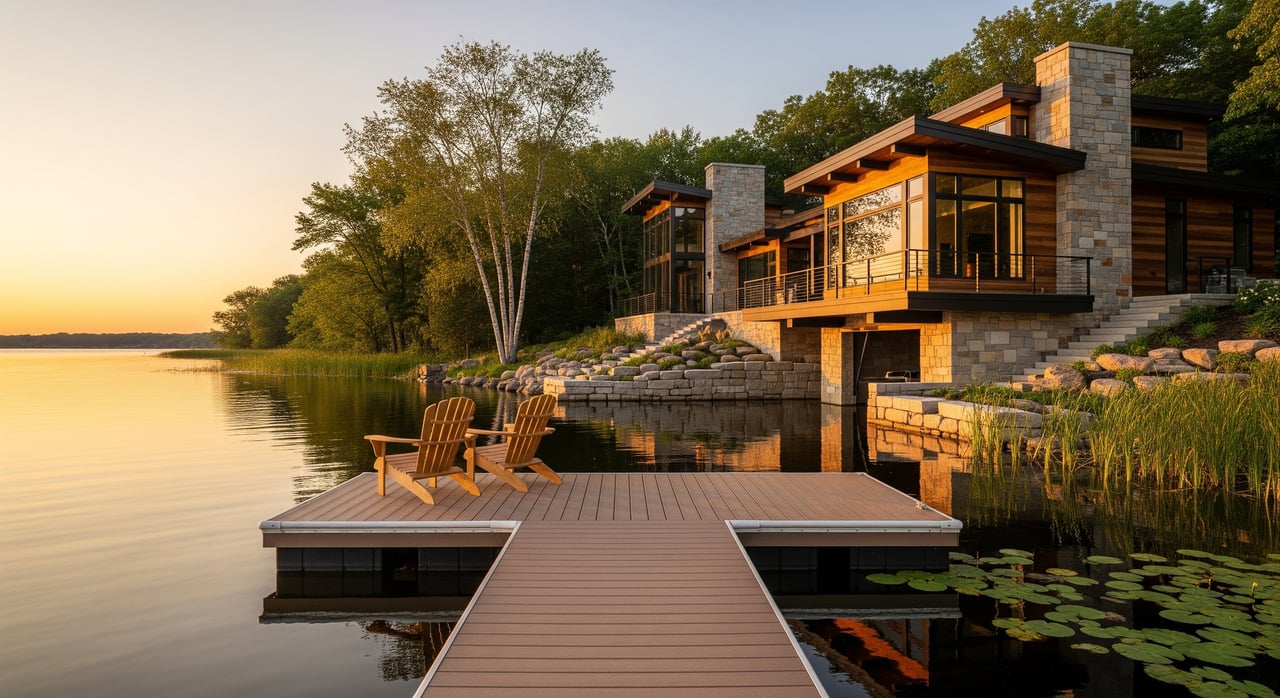
Dreaming of a place where you can boat, swim, and unwind without leaving the metro? A lake home in Prior Lake can deliver that lifestyle, but buying waterfront property is different from buying on a standard lot. You need to understand shoreline types, dock rules, and how Minnesota’s seasons affect showings and offer timing. This practical guide walks you through the key decisions so you can shop with confidence and avoid costly surprises. Let’s dive in.
Prior Lake basics and local rules
Prior Lake sits in Scott County and is part of the Prior Lake–Spring Lake watershed. Waterfront parcels here are guided by Minnesota DNR shoreland rules and local ordinances administered by Scott County and the City of Prior Lake. That means permits, setbacks, and shoreline work are not one-size-fits-all.
Before you assume what you can build or where you can place a dock, check both county and city regulations for the specific address. Also confirm whether the property has direct water frontage or uses an easement or shared access, and review any HOA covenants that could affect docks, lifts, or boat types.
Know your shoreline type
Shoreline composition and slope shape daily use, maintenance needs, and resale appeal. Focus on how you’ll use the water and what upkeep you’re comfortable taking on.
Sandy beach and gradual slope
A sandy, shallow approach is great for casual swimming and wading. It’s easy on feet and often looks picture-perfect. The tradeoff is that sand shifts with storms and waves, so beaches may need occasional raking or rebuilding. When you tour, look for the sandy area at typical high-water levels and check for erosion.
Shallow or marshy vegetation
Emergent plants like cattails and bulrushes offer privacy and habitat. These areas can limit access for larger boats and may require a defined channel to reach open water. Vegetation removal is often regulated. Ask where a dock could be placed and what approvals are required for any clearing.
Rocky or bedrock shoreline
Rocky frontages are durable and eye-catching, and they can resist erosion better over time. They are less comfortable for barefoot swimmers and may require specialized docks or ladders. If you see rock or bedrock, evaluate how you’ll enter the water and whether attachments require added engineering or permits.
Steep banks and bluffs
Steep approaches offer views and privacy but require stairs, a path, or even a lift to reach the water. That adds cost and upkeep. Ask about the condition and permitting of any retaining walls or stairs, and understand how setbacks might affect future additions.
Armored or altered shoreline
Riprap, seawalls, or bulkheads can stabilize a shoreline and create practical docking points. They also come with maintenance needs, and replacement can be expensive. Request documentation for any past work, including permits and contractor records.
Docks, lifts, and boat use
Buying a lake home means planning for a dock strategy that fits your shoreline and your boat. Know the options and how local rules apply.
Common dock types
- Seasonal floating docks: Popular in Minnesota and often removed or lifted for winter. They are easier to install and move but depend on water depth and bottom conditions.
- Permanent or piled docks: Fixed structures anchored to the lakebed. These offer stability for larger boats but typically require permits and higher installation costs.
- Lifts, platforms, and buoys: Boat lifts and swim platforms may have separate warranties and maintenance schedules. Mooring buoys can be an option where dock placement is tight, subject to local rules.
Permits, setbacks, and lot coverage
Shoreland zoning often limits how close structures can be to the ordinary high-water mark and sets impervious surface caps for driveways and patios. Docks and shoreline work may require city or county permits, and in some cases DNR oversight based on the site. If there is an HOA, confirm any rules about shared docks, boat types, or guest moorage.
Boat size, wakes, and local norms
Sections of lakes, channels, or near-shore areas often have posted speed or no-wake rules. Some neighborhoods coordinate shared-dock schedules or limit larger craft at certain slips. Ask about the immediate area’s posted rules and neighborhood expectations before you buy a boat for the property.
Seasonal removal and reinstallation
Most owners remove or winterize docks and lifts in fall before freeze-up. After ice-out in spring, docks are reinstalled as weather and contractor schedules allow. Plan for a short window after ice-out when scheduling a dock inspection or placement can be tough because everyone is calling installers at once.
Insurance and cost factors
Waterfront homes often carry endorsements or higher limits for docks, lifts, and watercraft liability. Ask your insurer about coverage requirements early. Costs vary by dock type, water depth, distance from shore, and bottom conditions. If you’re serious about a property, get contractor bids to estimate your true ownership costs.
How seasons change your showing
Minnesota’s seasons reveal different truths about a lake lot. If you can, see a property both in winter and after ice-out.
Winter showings: what you learn
In winter, you can evaluate road access, driveway snow removal, and the home’s winter comfort. With leaves down, lot lines and neighboring structures are easier to see. You can also get a feel for winter activity like snowmobiling or ice fishing nearby. What you cannot see is the true shoreline condition, water depth at the dock, or how busy the water gets in summer.
Spring and ice-out showings: what you learn
After ice-out, you can judge the actual waterline, shoreline vegetation, any riprap or bulkheads, and how a dock fits the site. You’ll also get an early preview of boat traffic and noise as the season ramps up. Some vegetation blooms later, so full summer greenery is not immediate, but this is the best time to assess waterfront usability and schedule dock inspections.
Offers and timing around ice-out
Timing matters for lake homes. Many buyers either write offers before ice-out with protections or wait until the dock is in.
Pre–ice-out offers
If you make an offer while the lake is frozen, consider protections that let you confirm the waterfront later. Common approaches include a post–ice-out inspection contingency, the seller reinstalling the dock by a set date, and allowances for shoreline or dock repairs discovered after ice-out. These terms balance moving quickly with preserving your options.
Post–ice-out offers
Waiting until docks are in lets you see the setup you’ll actually use. Sellers who list after ice-out can showcase the waterfront with fewer unknowns. This approach can reduce contingencies but compresses the shopping window since spring becomes busy for lake listings.
Typical timeline
Ice-out in southern Minnesota varies by year. Many owners reinstall docks soon after, but contractor schedules can push the timeline by days or even weeks. If your offer is accepted before docks are placed, include a short window after ice-out to complete a waterfront inspection and confirm dock condition.
Sample contract ideas to discuss
- Post–ice-out inspection: A defined period to inspect shoreline, dock, and lifts after the lake opens.
- Dock reinstallation by a date: A seller obligation to reinstall a dock and lift by a specific day or provide a credit.
- Access for contractor inspection: Permission for dock or shoreline contractors to evaluate conditions after ice-out.
Due diligence checklist for Prior Lake buyers
Use this list to keep your waterfront homework organized:
- Confirm riparian rights, property lines, and any shoreline easements.
- Verify permits or approvals for existing docks, riprap, seawalls, and stairs.
- Inspect dock and lift once installed: hardware, pilings or floats, anchoring, and gangway stability.
- Measure water depth at the intended berth and confirm it suits your boat.
- Ask whether the dock and lift are included in the sale and request maintenance records.
- Clarify seasonal routines: who removes and reinstalls the dock and when.
- Check for HOA or neighborhood rules about docks, boat types, and guest moorage.
- Identify access for boat trailers, onsite parking, and nearest public ramp options.
- Review insurance requirements for docks, lifts, and watercraft liability with your provider.
- If applicable, note the septic system’s location relative to the shoreline and access for service.
A smart buying plan
A clear plan helps you act decisively when the right lake home hits the market.
Define your use. Decide how you want to use the water most: swimming, fishing, wake sports, or quiet paddling. That drives your shoreline and dock needs.
Get financing ready. Waterfront homes can have different insurance requirements. Confirm budget, insurance needs, and timing with your lender and insurer.
Pre-screen by shoreline fit. When new listings pop up, check slope, frontage type, and access to open water before you schedule a tour.
Time your tours. If possible, see the property in winter for year-round livability and again after ice-out for the waterfront profile.
Write clean but protected offers. Use strong terms and include targeted contingencies for post–ice-out inspections and dock reinstallation when needed.
Line up pros early. Dock installers, inspectors, and surveyors book fast in spring. Reserve spots as soon as you are serious about a property.
Plan for first season logistics. Arrange dock placement, lift setup, and boat storage early so you are ready to enjoy the water when the season starts.
Buying on Prior Lake rewards careful planning. With a clear view of shoreline types, dock rules, and seasonal timing, you can choose a home that fits your lifestyle and stands the test of time. If you want local guidance, tailored alerts, and help coordinating inspections and timelines, connect with Deb Grimme for a friendly, expert consultation.
FAQs
What should I check first when touring a Prior Lake waterfront home?
- Confirm if the lot has true riparian frontage or shared access, note the shoreline type and slope, and ask about permits for any existing dock or shoreline structures.
How do ice-out and seasons affect my offer on a Prior Lake home?
- Many buyers include a post–ice-out inspection and a dock reinstallation date if they write before spring; others wait until docks are in so they can assess the setup in use.
Are docks and lifts usually included in a Prior Lake sale?
- Not always. Clarify in writing, request maintenance and permit documentation, and inspect the equipment after reinstallation.
Can I place any dock I want on Prior Lake?
- Dock size, placement, and type can be limited by city or county rules and shoreline conditions, and in some cases an HOA. Verify local ordinances and approvals for the specific parcel.
How do shoreline plants impact boating at a Prior Lake property?
- Emergent vegetation can limit access for larger boats and may require a permitted channel for docking. Ask where a dock can sit and what vegetation management is allowed.
What insurance considerations come with a Prior Lake lake home?
- Waterfront homes often need endorsements or higher limits for docks, lifts, and watercraft liability. Discuss requirements and costs with your insurance provider early in the process.