If you like the idea of suburban living with easy access to parks, trails, shopping, and one of Minnesota’s best-known attractions, living near the Minnesota Zoo in Apple Valley may be worth a closer look. This part of Apple Valley offers a practical day-to-day routine with regional convenience built in. Whether you are planning a move across the Twin Cities or relocating from farther away, understanding the lifestyle around the zoo can help you decide if it fits your needs. Let’s dive in.
Why the Minnesota Zoo Area Stands Out
The Minnesota Zoo is more than a destination for weekend outings. It is a major local landmark in Apple Valley, located at Highway 77 South and McAndrews Road, and it has been part of the community since 1978. The zoo sits on 485 acres and includes more than 4,500 animals and 505 species, which gives the area a recognizable identity.
For residents, that means you live near a place that people across the region know well. Current attractions like Treetop Trail, Llama Trek, Dino Hideout, and Sea Lion Discovery help keep the area active and visible. Even if you do not visit often, the zoo helps shape the character of this part of Apple Valley.
Everyday Life Near the Zoo
One of the biggest benefits of living near the Minnesota Zoo is how balanced the area feels. You get a suburban home base, but you are not cut off from errands, entertainment, or transportation. Apple Valley is a mature suburban community, and that shows in the way neighborhoods, retail areas, and recreation spaces connect.
Apple Valley had an estimated population of 55,248 as of July 1, 2025. Census data also show that 24.9% of residents are under 18 and that 73.4% of homes are owner-occupied. Those numbers point to a community with a strong residential feel and a housing market that leans heavily toward homeownership.
Parks and Trails Add to the Lifestyle
If outdoor access matters to you, the zoo area benefits from a much larger recreation network. Apple Valley’s resident guide says the city has more than 50 neighborhood parks, along with a water park, pool and splash pad, athletic complexes, and community programming. That gives you more than one place to spend time outside.
The city also has a paved trail network made up of multi-use park trails and street trails. A planned feature called the North Creek Greenway is intended to create a 14-mile connection between Lebanon Hills Regional Park and the Minnesota Zoo, with five miles within Apple Valley. That supports the idea that living near the zoo is part of a broader park-and-trail lifestyle.
Several parks in the local network include Johnny Cake Ridge Park, Cobblestone Lake Park, Cedar Isle Park, Apple Ponds Park, Alimagnet Park, and Redwood Park. For many buyers, that kind of variety matters because it gives you options for walks, casual recreation, and everyday outdoor routines without having to leave the city.
Shopping and Errands Are Convenient
Living near the Minnesota Zoo also means staying close to Apple Valley’s main commercial areas. The city describes its centralized business district as having walkable areas and accessible sites, with shopping, dining, entertainment, and professional services woven into daily life. That can make your weekly routine feel simpler.
The downtown map shows a dense retail and restaurant core along Cedar Avenue, Galaxie Avenue, Pennock, and nearby corridors. Major shopping and dining anchors in the area include Target, Walmart, Cub Foods, Sam’s Club, Aldi, Apple Valley Square, Panera, Culver’s, Chick-fil-A, Applebee’s, and IHOP. In practical terms, many daily errands can be handled close to home.
For relocators, this is often a big plus. You get the feel of a suburban setting, but not the inconvenience that sometimes comes with being far from services. That balance is one reason Apple Valley continues to appeal to buyers who want space and convenience at the same time.
Getting Around from Apple Valley
Transportation is another strong point for this part of the city. Apple Valley’s transit network connects residents to Bloomington, Eagan, and downtown Minneapolis through the Metro Red Line and the Apple Valley Transit Station. The city describes MVTA service as including park-and-ride access, free parking at the transit station, and local and express routes across the south metro.
That setup can be especially helpful if your work, appointments, or entertainment plans take you outside Apple Valley. The zoo is also only minutes south of Mall of America, and the Red Line provides a direct connection to Mall of America and downtown Minneapolis. So while the neighborhood feels suburban, it still offers strong regional access.
What the Housing Mix Looks Like
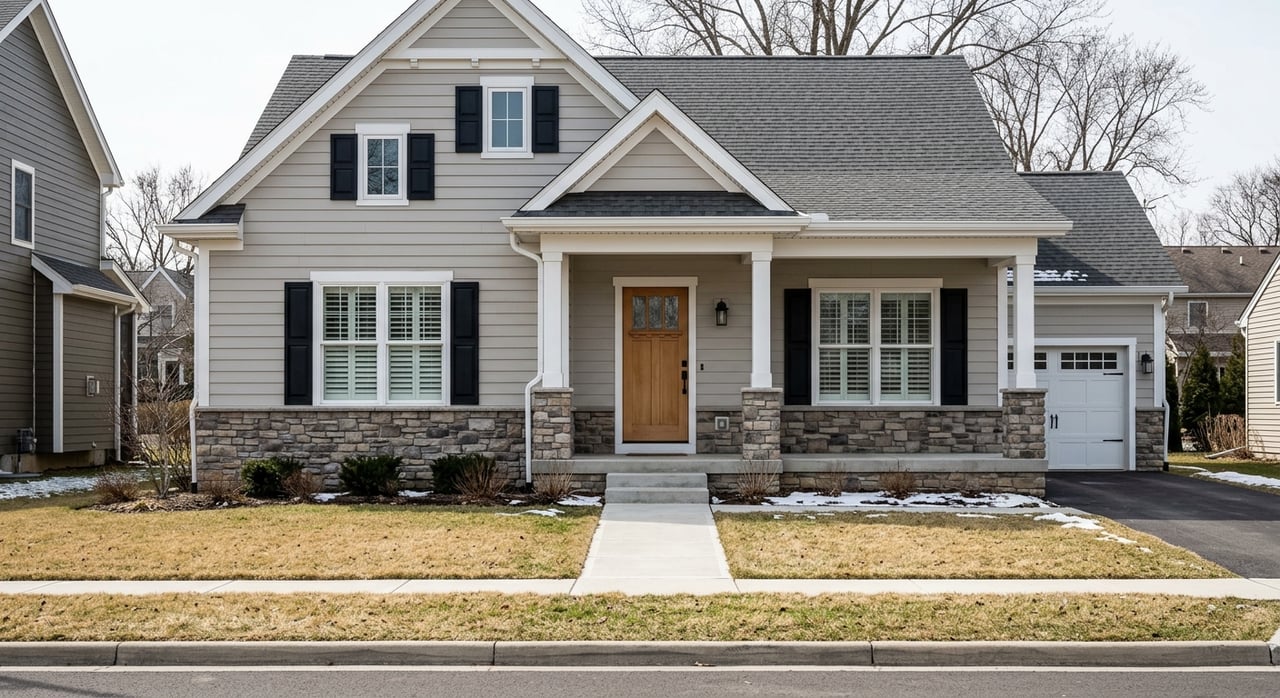
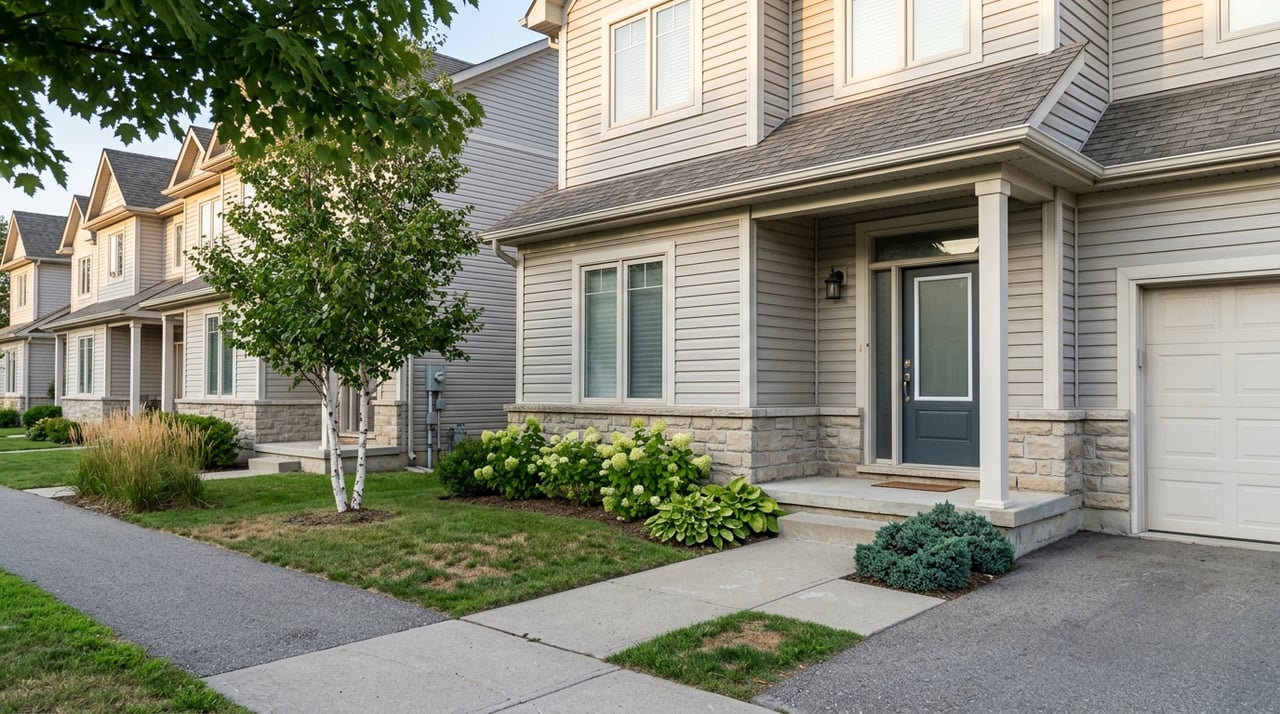
If you are picturing only one type of home near the zoo, the reality is broader than that. Apple Valley’s comprehensive plan describes the city as a mature suburban community, with many neighborhoods made up of single-family homes from the 1960s and 1970s. Over time, development expanded to include attached townhomes and multifamily apartments, especially from the 1980s through the 2000s.
Single-family detached homes remain the predominant housing type citywide. At the same time, mid-density and high-density neighborhoods tend to cluster in and around the downtown and central village area near major shopping, services, and the Apple Valley Transit Station. That means buyers can usually find a mix of traditional detached homes and lower-maintenance options within the broader zoo-area market.
Cobblestone Lake is one example the city identifies as a mixed neighborhood, with single-family styles, multifamily housing, and mixed commercial uses. For you as a buyer, that variety can be helpful if you are comparing lifestyle priorities like yard space, maintenance level, commute needs, or proximity to shopping and transit.
What the Numbers Suggest
Citywide Census data show a median owner-occupied home value of $370,400 and a median gross rent of $1,738. Those numbers support the idea that Apple Valley remains a primarily owner-occupied suburban market, while still offering rental and attached-housing options. If you are relocating, this can give you a useful snapshot of the broader housing landscape around the zoo.
Of course, home prices, condition, lot size, updates, and location within Apple Valley can vary. Still, the citywide data help frame the area as a stable, established place where buyers can find a range of housing choices without losing that overall suburban feel.
Who This Area May Fit Best
Living near the Minnesota Zoo in Apple Valley can appeal to a few different types of buyers. If you want a neighborhood that feels established and residential, this area checks that box. If you also want nearby retail, park access, and transit connections, it becomes even more compelling.
This part of Apple Valley may be a good fit if you are looking for:
- A suburban setting with strong homeownership
- Access to parks, trails, and recreation
- Nearby shopping and dining for daily convenience
- Transit options for regional travel
- A mix of single-family homes, townhomes, and apartments
- A well-known local landmark that gives the area a clear sense of place
For many buyers, especially those moving within the south metro or relocating to the Twin Cities, that combination is what makes the area stand out.
Why Local Guidance Helps
On paper, the zoo area can sound simple: good location, good access, established neighborhoods. In reality, your experience will depend on the specific pocket of Apple Valley you choose, the type of home you want, and how you prioritize things like commute time, maintenance, or proximity to trails and shopping.
That is where local guidance matters. A neighborhood-by-neighborhood view can help you compare older single-family areas, townhome options, and mixed-use sections near the transit station or major commercial corridors. If you want to make a smart move in Apple Valley, it helps to work with someone who understands how these pieces come together in everyday life.
If you are considering a move to Apple Valley and want help narrowing down the right neighborhood or home style near the zoo, Deb Grimme can help you explore your options with local insight and a personalized approach.
FAQs
What is it like living near the Minnesota Zoo in Apple Valley?
- Living near the Minnesota Zoo offers a suburban lifestyle with access to parks, trails, shopping, dining, and regional transit, all anchored by one of Apple Valley’s most recognized landmarks.
What types of homes are near the Minnesota Zoo in Apple Valley?
- The broader area includes many single-family homes, along with townhomes and apartments, especially closer to downtown Apple Valley and the transit station.
Is the Minnesota Zoo area convenient for errands?
- Yes. The area is close to Apple Valley’s main retail corridors, where you will find grocery stores, big-box retailers, restaurants, and other everyday services.
Are there parks and trails near the Minnesota Zoo in Apple Valley?
- Yes. Apple Valley has more than 50 neighborhood parks, a paved trail network, and a planned North Creek Greenway connection that links the Minnesota Zoo with other regional recreation areas.
Can you use transit if you live near the Minnesota Zoo?
- Yes. Apple Valley is served by the Metro Red Line and the Apple Valley Transit Station, with park-and-ride access, free parking at the station, and local and express routes across the south metro.
Is Apple Valley mostly a homeowner community?
- Yes. Census data show a 73.4% owner-occupied housing rate, which supports Apple Valley’s reputation as a predominantly homeowner-oriented suburban market.