Trying to choose between Eagan and Apple Valley for your next home? You are not alone. Both suburbs deliver the south‑metro lifestyle many families want, with strong schools, parks, and easy access to jobs and the airport. The challenge is knowing which one fits your budget, commute, and day‑to‑day routine.
In this guide, you will get a clear, side‑by‑side look at housing options, price ranges, commutes and transit, schools, and the amenities that shape daily life. You will also see practical trade‑offs that help you decide faster and with confidence. Let’s dive in.
Eagan vs Apple Valley at a glance
- Population: Eagan about 67,240; Apple Valley about 55,272, based on the latest U.S. Census estimates. You can confirm current figures on the U.S. Census pages for Eagan QuickFacts and Apple Valley QuickFacts.
- Median household income: Eagan about $107,486; Apple Valley about $97,673, per American Community Survey estimates on the QuickFacts pages above.
- Owner‑occupancy: Both are predominantly owner‑occupied suburbs; Apple Valley’s owner share is slightly higher, while Eagan has a notable rental share per city materials and federal estimates. See Eagan’s housing programs overview for context on rental policy and neighborhood upkeep at the City of Eagan housing resources.
- Average commute time: Eagan about 21.7 minutes, Apple Valley about 24.6 minutes, according to ACS estimates on QuickFacts. It is a small difference on paper, but it can matter when layered with route choices and time of day.
Housing types and price bands
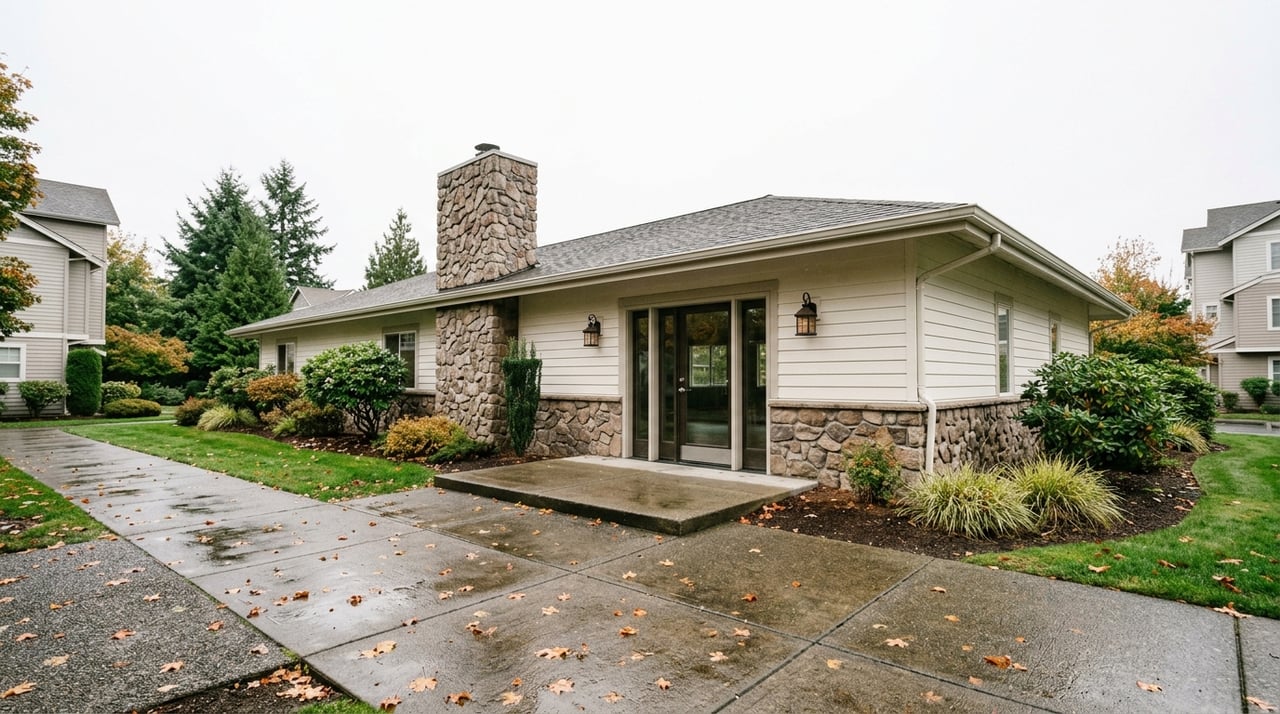
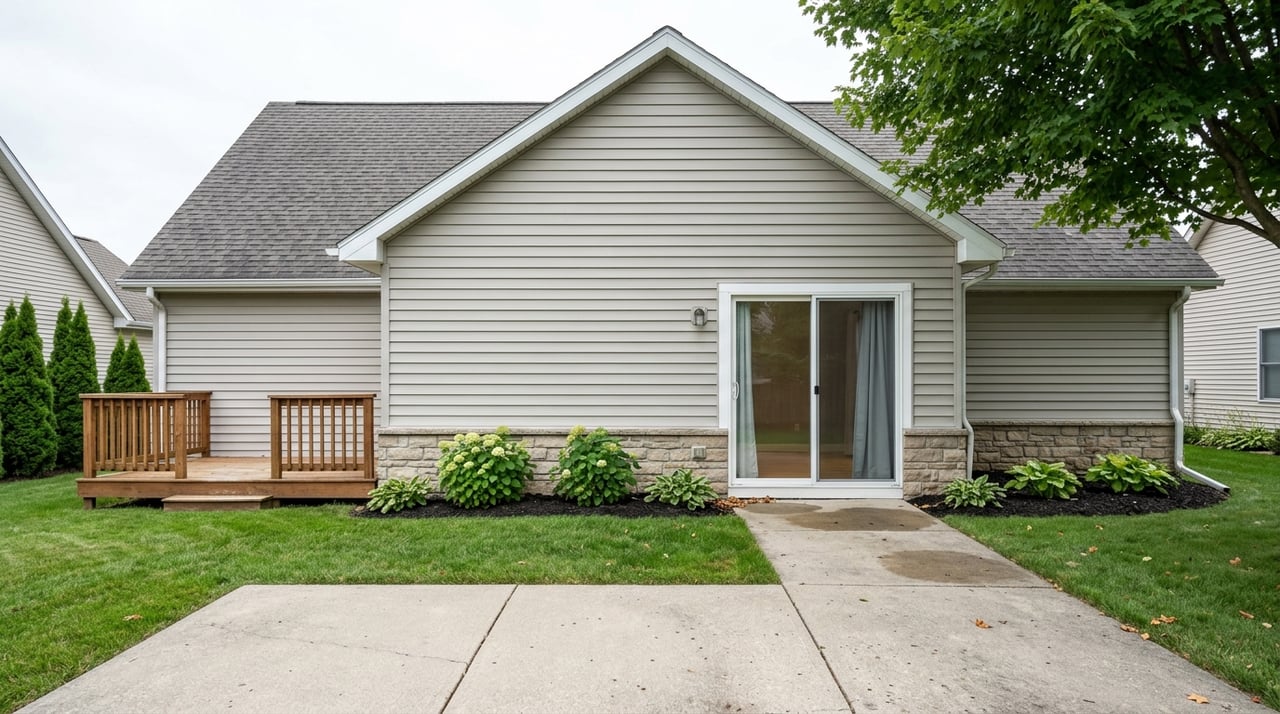
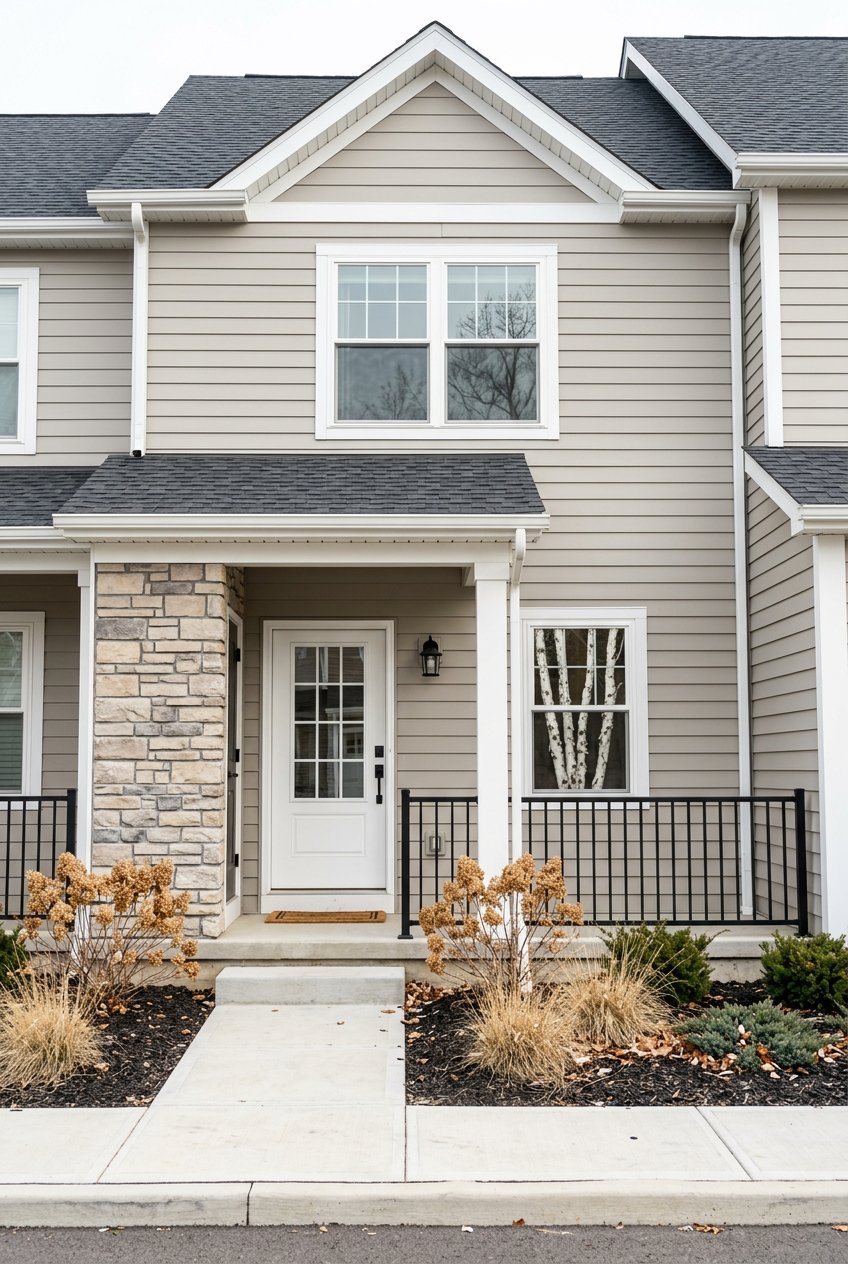
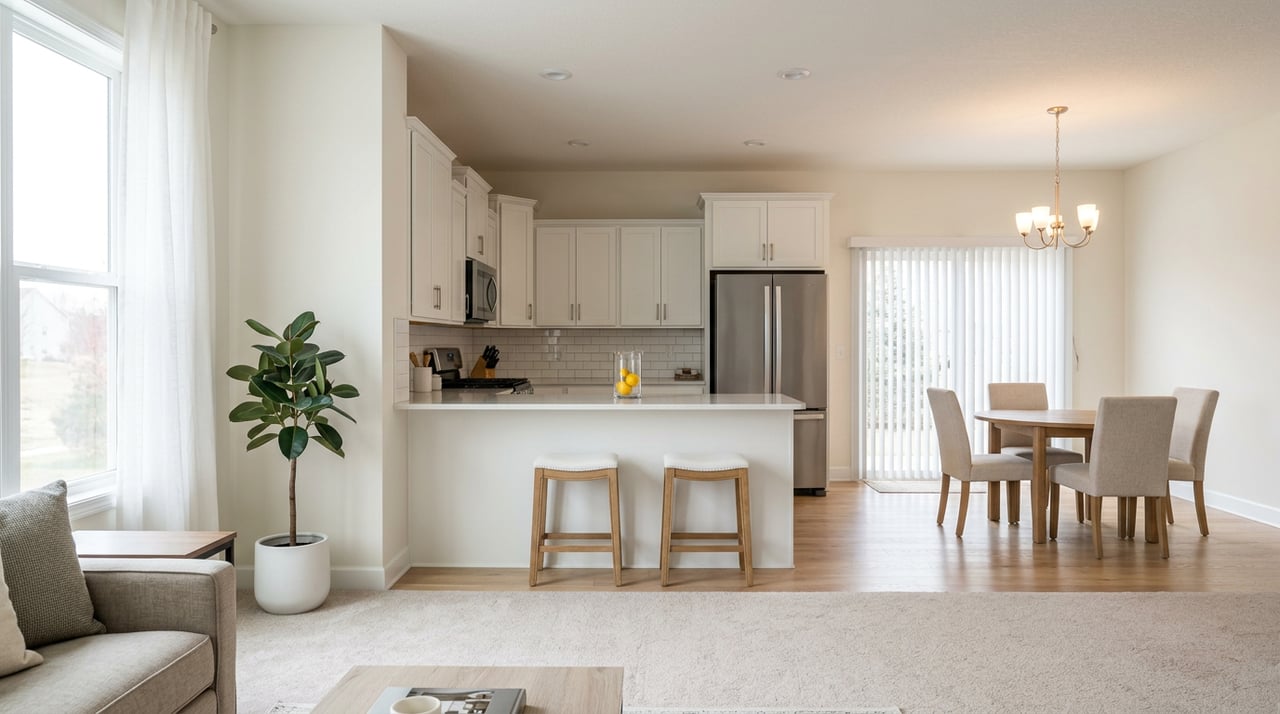
Both cities are classic suburban communities. You will see established single‑family neighborhoods, plus pockets of townhomes and condos, and mid‑rise or garden‑style apartments. If you prefer a yard, a two‑car garage, and a finished basement, you can find it in either place.
When it comes to price, think in broad ranges and remember that neighborhood matters:
- Entry homes: Condos, townhomes, and smaller single‑family homes often appear under $300k in parts of the south metro, though availability varies by neighborhood and season.
- Move‑up single‑family: Many family‑friendly areas in both Eagan and Apple Valley run about $300k to $500k, depending on age, size, updates, and lot.
- Upper‑end pockets: Larger lots or recently updated homes often exceed $500k in both cities.
Portal medians can differ quite a bit because they use different methods and time windows. For example, Zillow’s ZHVI snapshot in Jan 2026 puts Eagan near $389k and Apple Valley near $365k, while Realtor.com’s Dec 2025 summary shows Eagan nearer $365k and Apple Valley nearer $300k. Treat these as directional and always check fresh, neighborhood‑level MLS data before you decide.
Commute, transit, and airport access
Eagan’s shorter average commute time reflects quick access to I‑35E and I‑494 and a location that sits a touch closer to many employment centers. Apple Valley’s main north–south artery is Cedar Avenue/Highway 77, which feeds into the Bloomington and MSP areas. Both suburbs are typically within a 10 to 25 minute drive of MSP Airport depending on the address, traffic, and time of day. For a sense of Eagan’s location context, explore the city’s at‑a‑glance demographics.
If you want backup options beyond driving, the south metro is well served by regional bus lines:
- METRO Red Line BRT: The Red Line runs between Apple Valley and the Mall of America along the Cedar Avenue corridor, with connections to MSP and light rail. Learn more on the METRO Red Line overview.
- MVTA routes and park‑and‑rides: The Minnesota Valley Transit Authority operates local and express routes from both suburbs. Eagan’s Cedar Grove Transit Station links to Red Line service and MVTA routes. Check current service and station info on MVTA’s Eagan page. Apple Valley maintains local transit information and resources at its Bus Transit page.
Bottom line: if your daily drive takes you onto I‑35E or I‑494, Eagan may trim some minutes. If you want a robust park‑and‑ride and a direct BRT line, Apple Valley’s transit station is a plus.
Schools and local programs
Both cities are served by Independent School District 196 (Rosemount‑Apple Valley‑Eagan Public Schools), one of Minnesota’s largest districts. Families often choose this area for program options and the district’s magnet offerings. To understand which schools serve a specific address and to review district information, start with the District 196 overview. Always verify attendance boundaries for a given property before you write an offer.
Neighborhood stability and property upkeep matter to many families. Eagan adopted a rental‑licensing ordinance in 2023 to support safety and maintenance in the rental stock, which can influence long‑term neighborhood quality. You can read the city’s policy update at Eagan’s rental licensing adoption and general housing resources at the City of Eagan housing page. Apple Valley maintains rental registration and coordinates with Dakota County resources through its city services, which supports orderly, well‑documented housing across the community.
Parks, lifestyle, and local feel
Outdoor time is easy in both suburbs. The south metro’s signature green space is Lebanon Hills Regional Park, nearly 1,900 acres of trails, lakes, and year‑round recreation that spans Eagan and Apple Valley. If weekend hikes, paddleboarding, or snowshoeing are on your list, you will likely use it often. Get a park overview on the Lebanon Hills page.
Apple Valley is also home to the Minnesota Zoo, a major regional destination that hosts family events and seasonal programs. If you want a quick family outing or visiting‑grandparent activity, it is hard to beat. View details on the Minnesota Zoo site.
On the shopping and dining front, Eagan’s Cedar Grove/Twin Cities Premium Outlets area anchors a busy retail node with easy freeway access. The Viking Lakes mixed‑use campus, anchored by the Minnesota Vikings training facility, is adding hotels, office space, events, and new amenities to Eagan’s west side. See the development overview at Explore Viking Lakes. Apple Valley’s retail scene clusters along County Road 42 and around the transit station, with everyday conveniences, restaurants, and summer programming in and around city parks.
Healthcare access is strong across the south metro, with multiple systems operating clinics and nearby hospital services in adjacent Burnsville and throughout Dakota County. If proximity to specialty care or an ER is important, factor drive times from the specific property you are considering.
Practical trade‑offs to guide your choice
You cannot go wrong with either city, but your priorities can point you one way or the other:
- If you want a modestly faster average commute and quick freeway access, you may lean toward Eagan.
- If transit and park‑and‑ride convenience are must‑haves, Apple Valley’s transit station and Red Line terminal are strong advantages.
- If you are value‑hunting, compare neighborhood‑level MLS data in both cities. Portal medians vary by method and date, so the best deals will be street‑by‑street.
- If long‑term neighborhood standards matter, Eagan’s rental‑licensing framework is worth noting as part of a broader stability picture, while Apple Valley maintains its own registration and city‑county resources.
- If outdoor time is a top priority, both cities share Lebanon Hills and a deep park system, with Apple Valley adding the Minnesota Zoo to the weekend list.
A simple decision framework
Use these steps to narrow your search quickly and confidently:
Map your daily life. List work addresses, typical travel times, and transit preferences. If you want a transit backup, review routes and park‑and‑rides on MVTA’s Eagan page and the METRO Red Line overview.
Confirm your school plan. Start with the District 196 overview, then check attendance boundaries for any property you tour so you know the assigned elementary, middle, and high schools.
Set your price band by neighborhood. Treat portal medians as rough signals and ask for current MLS snapshots of 12‑month median price and days on market for the specific ZIP or subdivision you like.
Weigh housing type and lot needs. Decide on minimum bedrooms, garage stalls, and whether a finished basement or larger yard is essential. This will quickly point you to the right pockets in either city.
Scan city programs and nearby projects. In Eagan, review housing resources and the rental‑licensing framework at the City of Eagan housing page. For broader area changes, watch development at Viking Lakes and planned improvements near transit stations or retail nodes.
Ready to compare real listings in the best neighborhoods for your family’s needs? Let’s make a plan that fits your timeline and budget, then move fast when the right home hits the market.
If you would like a neighborhood‑level price check, on‑market and private‑listing alerts, and a showing strategy built around schools and commute, reach out to Deb Grimme. A short consult can save you weeks of searching.
FAQs
How do Eagan and Apple Valley home prices compare today?
- Portal medians differ by provider and date, but recent snapshots show Eagan trending higher on average; ask for current, neighborhood‑level MLS data before you decide.
Which suburb has the shorter average commute?
- Eagan’s mean travel time is about 21.7 minutes versus Apple Valley’s 24.6 minutes per U.S. Census estimates, though your actual time depends on route, job location, and departure.
Do both cities feed into the same school district?
- Yes, both are served by District 196; always verify the assigned schools for a specific property using district attendance information before making an offer.
What transit options are available if I do not want to drive?
- Apple Valley hosts the METRO Red Line terminal and a major park‑and‑ride, while Eagan’s Cedar Grove connects to the Red Line and MVTA routes for BRT and bus access to MOA, MSP, and connections.
Are there city policies that affect neighborhood stability?
- Eagan adopted rental licensing in 2023 to support safety and upkeep in rental housing; Apple Valley maintains rental registration and city‑county housing resources, which promote orderly neighborhoods.