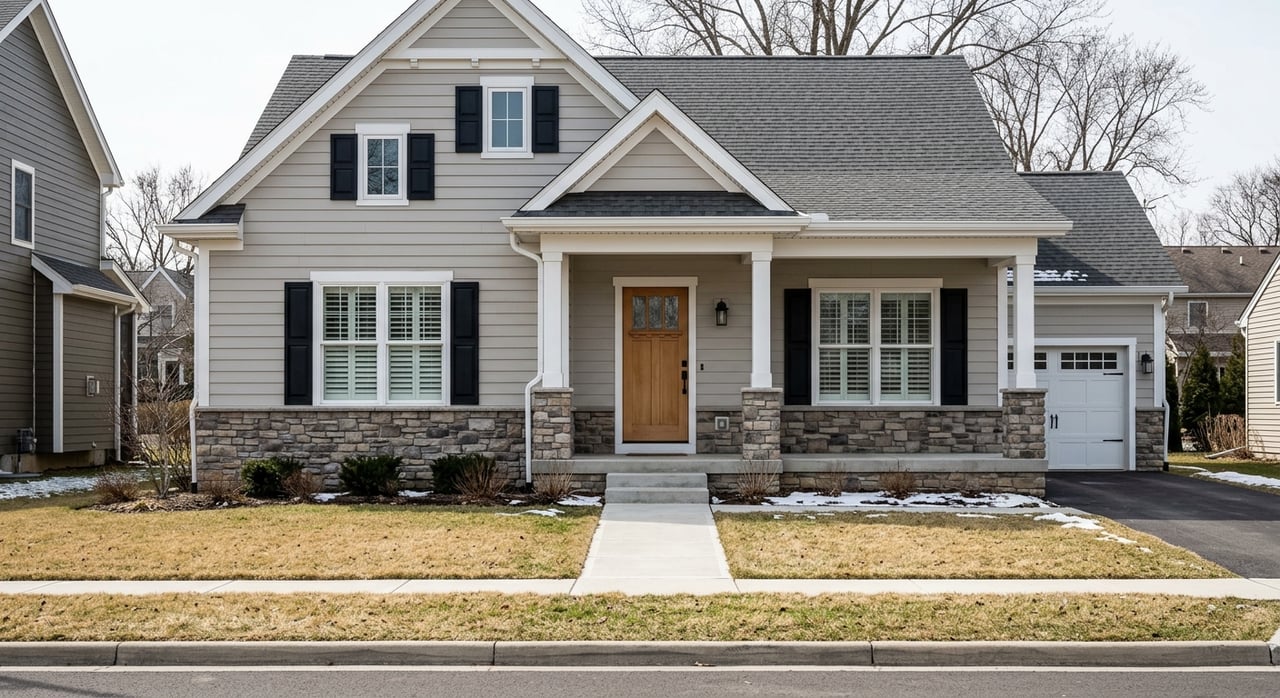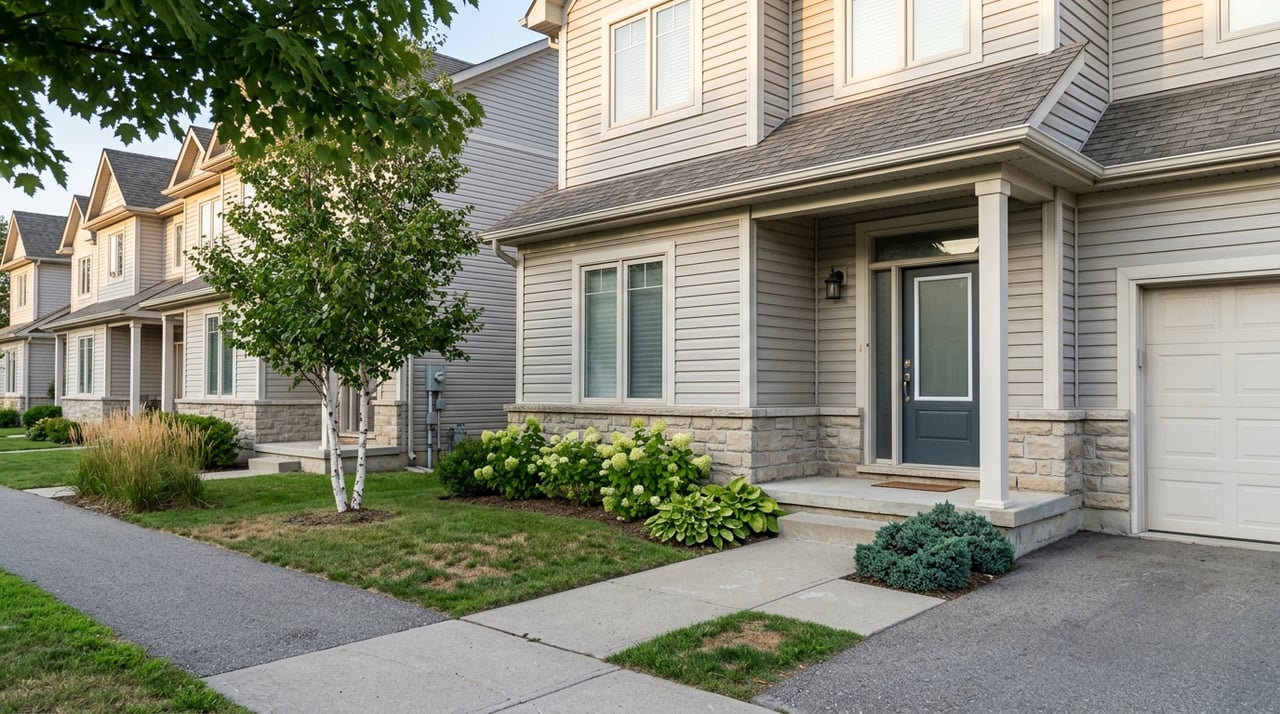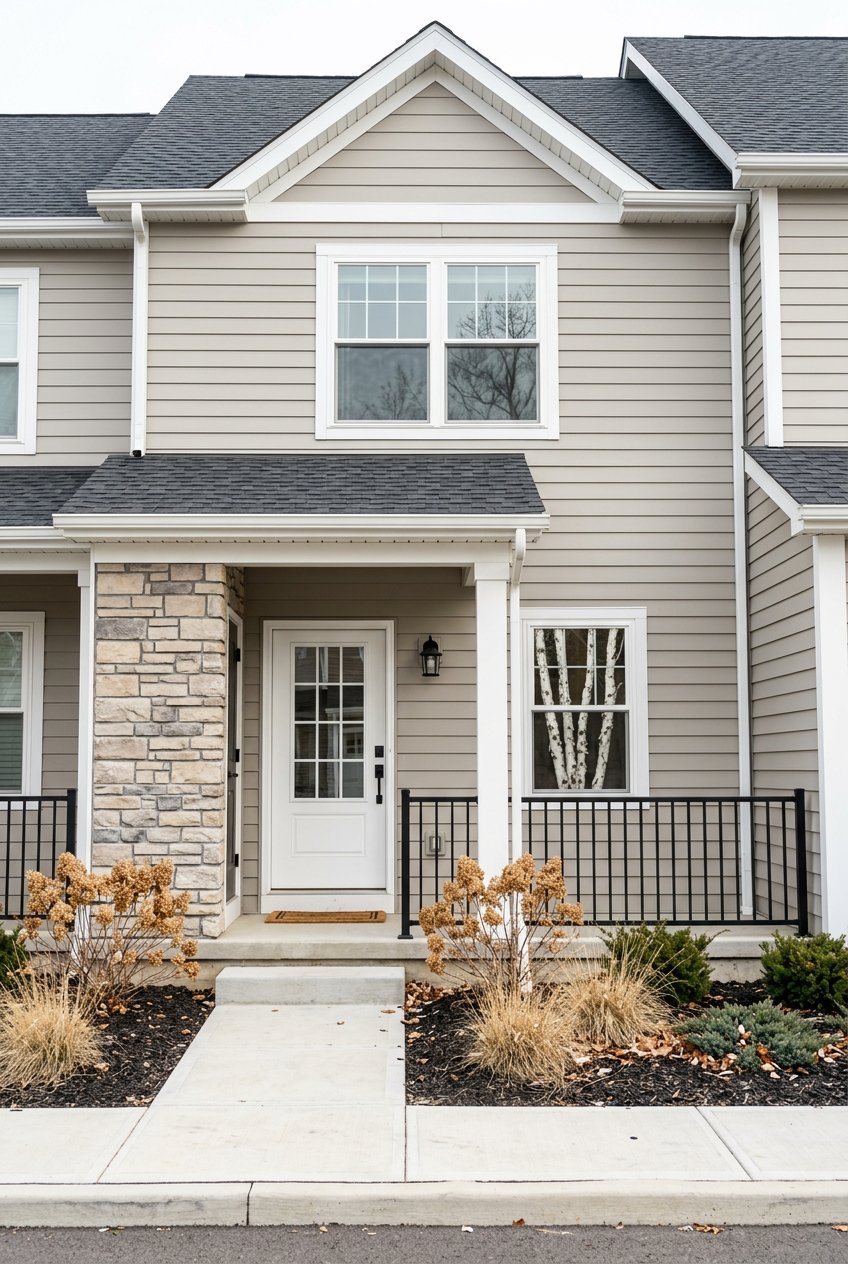
Thinking about a townhome or condo in Eden Prairie and wondering how HOA living really works? You are not alone. Understanding what fees cover, what documents you get, and which red flags to watch can protect your budget and your peace of mind. In this guide, you will learn your rights under Minnesota law, how to review an HOA’s health, and what lenders look for before they approve your loan. Let’s dive in.
HOA living basics in Eden Prairie
Eden Prairie has a wide mix of townhomes, condos, and planned communities. Most of these belong to a homeowners association that manages shared areas and sets rules that keep the property running smoothly. In Minnesota, many of these communities are governed by the Minnesota Common Interest Ownership Act, often called MCIOA. It sets standards for disclosures, budgets, insurance, and owner rights.
If you are new to associations, start with a plain-language overview. The Minnesota Attorney General’s guide explains how associations operate, what boards do, and how owners can get information. You can review that consumer guide in the state’s resource on condominium and townhouse associations.
What HOA fees usually cover
HOA dues typically pay for services that protect the property and your shared spaces. While inclusions vary by community, fees commonly cover:
- Snow removal and landscaping of common areas
- Exterior and roof maintenance where applicable
- Common-area utilities and upkeep of amenities
- Master insurance for buildings and liability on shared spaces
- Management and accounting services
- Trash and recycling
- Contributions to long-term replacement reserves
Always confirm the specifics in the budget and resale package. Governing documents and the current-year budget will show exactly what your dues include.
Know your rights under MCIOA
Minnesota law outlines what sellers must give you before you sign. Under the Minnesota Common Interest Ownership Act, you are entitled to key governing documents and a Resale Disclosure Certificate before you finalize your agreement. The resale certificate must be current and include assessments, unpaid balances, insurance details, budgets, financial statements, reserve balances, and any litigation or judgments that may affect the association. You can read the statute that governs these disclosures and protections in the state’s MCIOA chapter at the Revisor of Statutes website: Minnesota Statutes Chapter 515B.
If you receive the required disclosures less than ten days before you sign a purchase agreement, MCIOA gives you a right to cancel within ten days after you receive them. This is a powerful protection if the documents reveal unexpected issues.
Access to association records
Associations must keep adequate records and, in many cases, provide owners access to examine them. This can include financials, minutes, and material contracts. If you are already an owner in the community or you are working through the seller’s right to request documents, use this right to make sure you see what matters. The statute addressing association records is here: Minn. Stat. 515B.3-118.
Insurance and reserves requirements
MCIOA expects associations to maintain property insurance on common elements and adequate liability coverage. It also requires communities to plan for long-term replacements and keep replacement reserves separate from operating funds. Buyers should confirm there is a clear reserve plan and that funds are being set aside. The statute describing replacement reserves is here: Minn. Stat. 515B.3-1141.
Documents to review before you buy
When you pursue a resale unit in Eden Prairie, you should receive a full disclosure package. Key items include:
- Declaration (CC&Rs) and amendments
- Bylaws and rules
- Resale Disclosure Certificate with assessment amounts, unpaid balances, insurance summary, current budget, recent financials, reserve balances, and any litigation
Review these first. The declaration and rules tell you what is allowed. The budgets and financials tell you how the association is run. The resale certificate is the snapshot of the association’s health at closing. Learn more about what must be provided in Minnesota Statutes Chapter 515B.
Best-practice extras to request
Go beyond the minimum. Ask for these practical items to round out your due diligence:
- Most recent reserve study or replacement plan plus the current reserve balance
- Master insurance declarations and deductible amount
- Last 12 to 24 months of board meeting minutes
- Management contract and any long-term vendor agreements
- Details on any pending or recently approved special assessments and copies of related board resolutions
- Owner-occupancy and rental ratios, which can affect financing options
For consumer-friendly guidance on what to look for and how to ask, see the Minnesota Attorney General’s Condominium and Townhouse Associations resource.
Red flags to watch
Keep an eye out for these risk areas during your review:
- Reserves that fall well below long-term needs or no current reserve study
- Frequent or large special assessments
- High delinquency rates on dues payments
- Pending or threatened litigation that could affect finances or insurance
- Large master-policy deductibles or unclear interior coverage
- Developer control that has not yet transitioned to owners
Many lenders view delinquency rates of around 15 percent or higher as problematic for standard project approval. You can see this referenced in Fannie Mae’s project-eligibility materials here: Fannie Mae delinquency criteria.
How HOA fees affect financing
If you need a mortgage, your lender will review not only you, but also the project itself. Condo and some townhome projects must meet project-eligibility standards for conventional, FHA, or VA loans. Lenders often look for healthy reserves, manageable delinquency levels, adequate insurance, and the absence of material litigation. You can learn more about how lenders evaluate condo projects through Fannie Mae’s Condo Project Manager.
If a project does not meet those standards, you may need a different loan program or a larger down payment. Always ask your lender to vet the project early, especially if you plan to use a low-down-payment loan.
FHA and VA considerations
If you are using an FHA loan, the condo project usually needs to appear on HUD’s approved list. You can check a community’s status using the HUD FHA condo search tool. VA financing has its own project rules, so confirm with your lender on day one.
Timeline and who provides what
In Minnesota, the seller must give you the required association documents and the resale disclosure certificate before you sign a purchase agreement or, at the latest, before conveyance. Associations must furnish the resale disclosure certificate to the unit owner within ten days of request. If you get the disclosures late, MCIOA gives you a ten-day window to cancel after you receive them. See the state’s MCIOA chapter for details: Minnesota Statutes Chapter 515B.
In practice, build in time to read. Many buyers include a 7 to 14 day document-review period in the purchase agreement. This keeps your financing timeline aligned with when you will receive the resale package.
Use Hennepin County records
Some documents are public record. Declarations, amendments, and certain liens are recorded with Hennepin County. You or your title company can search for recorded CC&Rs and lien notices using the county’s property records tools: Hennepin County real estate records and research. This is a smart cross-check to confirm what you see in the resale package.
Eden Prairie details to consider
Local affordability programs and real-world examples can sharpen your review. The City of Eden Prairie’s first-time buyer guidance counts HOA dues when calculating debt-to-income, which shows how important it is to factor dues into your budget. See the city’s page on the First-Time Homebuyer Program for context.
Across Minnesota, major capital projects can trigger large one-time assessments. A recent example covered by a local outlet showed homeowners facing steep roof repair bills in another metro-area association. Stories like this highlight why reserves, long-term plans, and minutes matter. You can read that report here: Local coverage of special assessments.
If you uncover issues
If your review turns up concerns, you have options. You can ask for more time, request additional documents, or seek written clarification from the association. You can also negotiate price, ask the seller to address a special assessment, or request escrowed funds at closing for known projects. When issues are complex, consult a Minnesota real estate attorney. The Attorney General’s Condominium and Townhouse Associations guide explains owner rights and when legal help may be appropriate.
Quick buyer checklist
Use this simple list to stay organized:
- Ask the seller for the full resale disclosure package required by MCIOA. Start with the declaration, bylaws, rules, and the Resale Disclosure Certificate found in Minnesota Statutes Chapter 515B.
- Compare the reserve study’s recommendations to the current reserve balance. See the reserve requirement in Minn. Stat. 515B.3-1141.
- Review the master insurance declarations and note the deductible and interior coverage.
- Read the last 12 to 24 months of board minutes and flag mentions of assessments, legal matters, or deferred maintenance.
- Request documentation of any pending or recently approved special assessments and copies of vendor bids.
- Ask your lender to evaluate condo or PUD project eligibility early. For FHA, check the HUD approved-condo list.
- Search recorded CC&Rs and possible liens through Hennepin County records.
Ready to find the right fit?
You deserve a home that matches your lifestyle and a clear path to get there. If you are weighing HOA living in Eden Prairie, let’s make it simple and confident. Connect with Deb Grimme to review documents, coordinate with your lender, and find a great match for your goals in the southwest metro.
FAQs
What is the Minnesota Resale Disclosure Certificate?
- It is a document the seller must provide under MCIOA that summarizes assessments, budgets, financials, reserves, insurance, and any litigation so you can make an informed decision.
How long do I have to cancel after I get HOA documents?
- If you receive the required disclosures less than ten days before you sign, MCIOA generally allows you to cancel within ten days after you receive them.
What do typical Eden Prairie HOA fees cover?
- They often cover snow removal, landscaping, exterior maintenance, common utilities, master insurance, management, trash, and reserve contributions, but confirm inclusions in the current budget.
How do lenders evaluate a condo project in Eden Prairie?
- Lenders look at reserves, delinquency rates, insurance, occupancy levels, and litigation; high delinquencies or weak reserves can limit loan options or require different terms.
Where can I find recorded HOA documents for a property?
- You can search Hennepin County’s real estate records for recorded declarations, amendments, and certain liens as a cross-check during your due diligence.