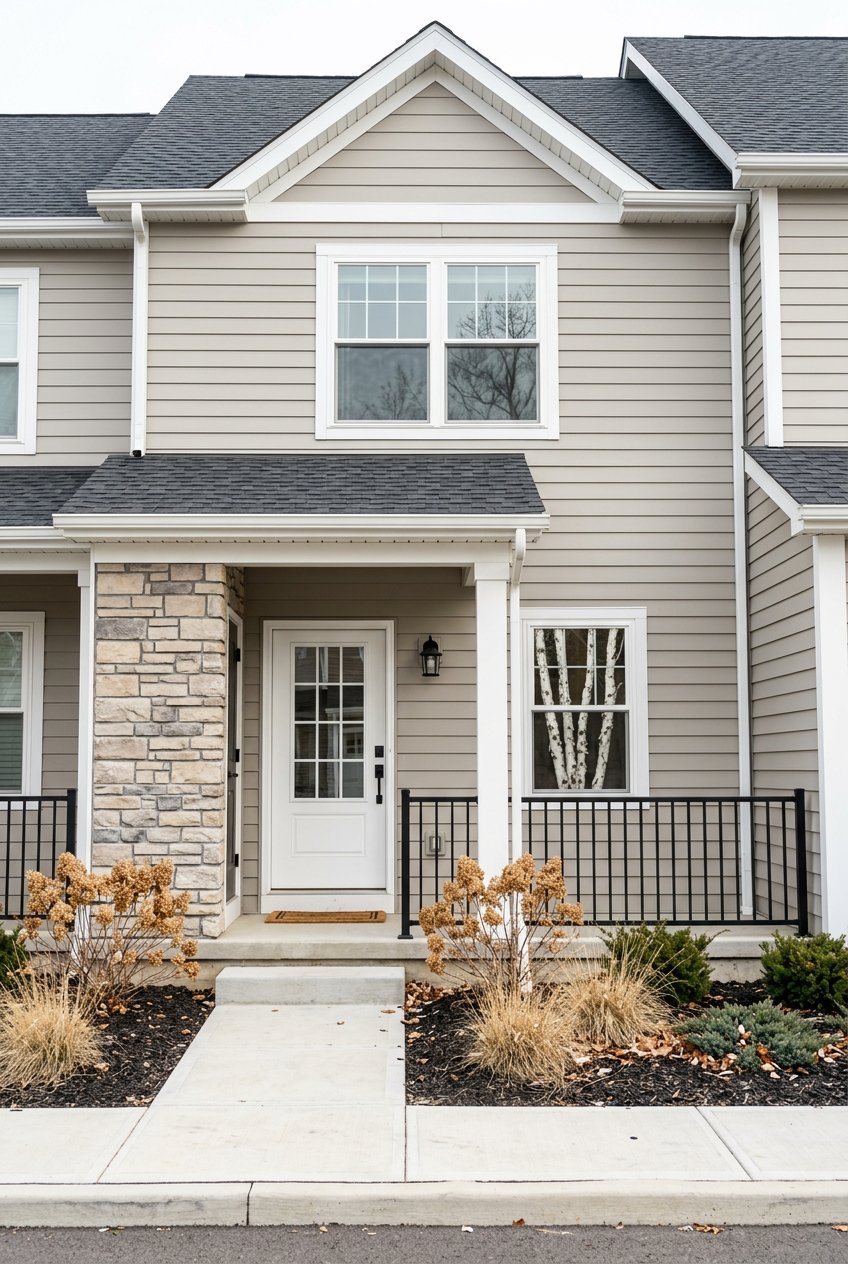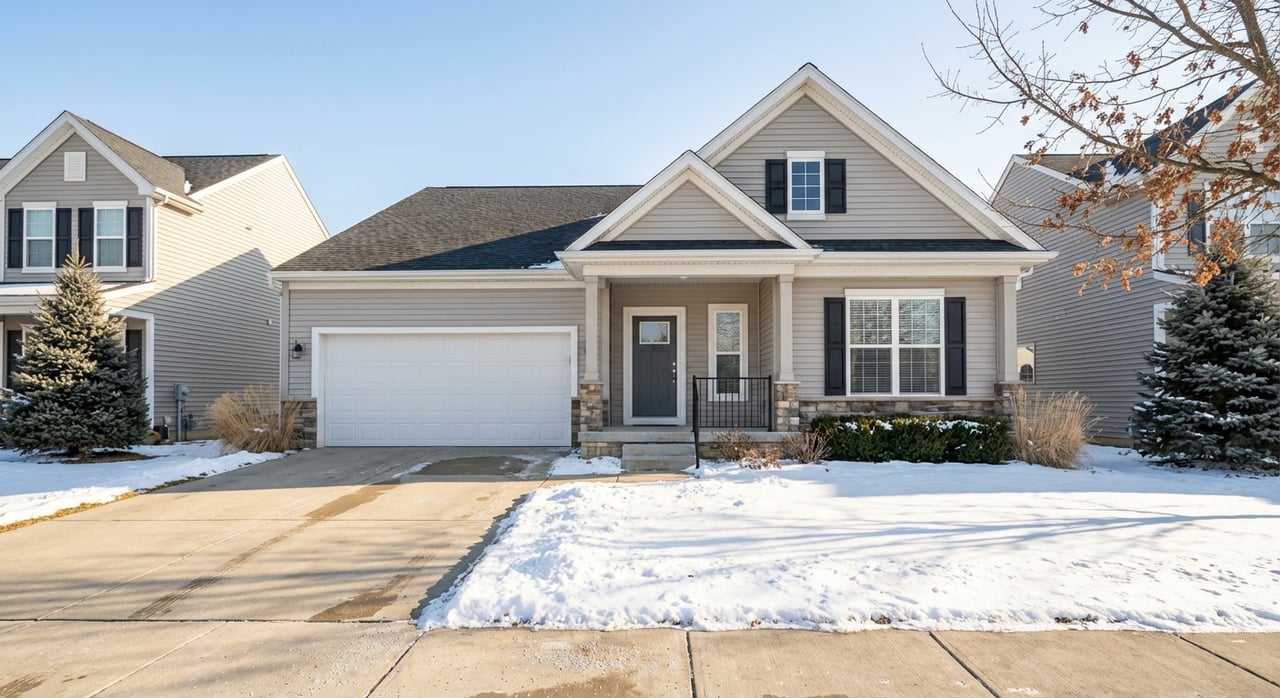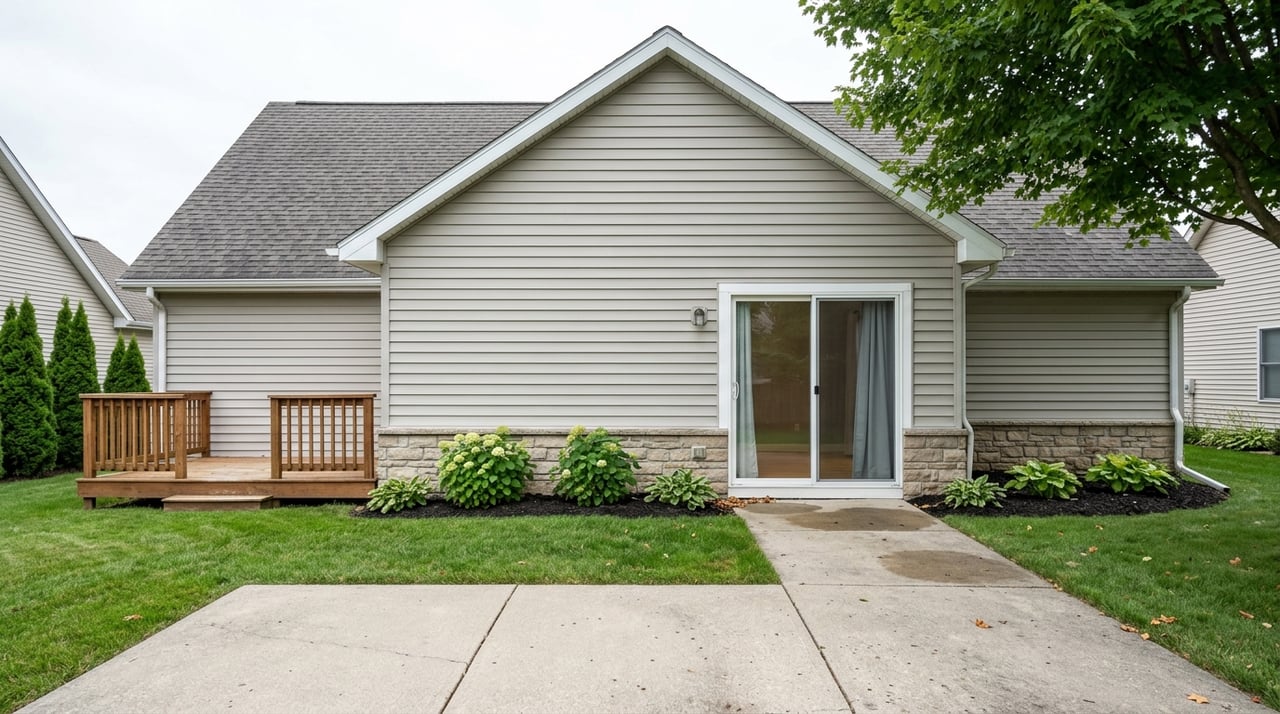
Wondering how to sell your Eagan home without feeling overwhelmed by the details? If you are thinking about listing soon, you probably want two things at once: a strong sale price and a smooth process. The good news is that Eagan remains an active market, but success still depends on smart pricing, polished presentation, and steady guidance from start to finish. Here is what you can expect from the first call to the final closing.
Eagan market conditions today
Eagan is the second largest city in Dakota County, with more than 69,000 residents, and the city notes its convenient location south of Minneapolis and St. Paul and near MSP Airport. In today’s market, recent data points to a competitive environment, but not one where every seller should expect automatic bidding wars. According to Realtor.com’s Eagan market overview, the area has been described as a seller’s market, with a median listing price of $377,450 and a median 23 days on market in early 2026.
Other sources show a similar pace, even if the exact numbers vary. Zillow reported a typical home value of $392,817 and 39 days to pending as of February 28, 2026, while Redfin reported about 41 days to pending and a 98.4% sale-to-list ratio in February 2026. Taken together, the takeaway is simple: Eagan homes can sell quickly, but pricing still needs to be grounded in recent closed sales, not wishful thinking.
Start with a strategy call
Your first conversation should focus on your timing, goals, and home condition. If you are moving up, relocating, downsizing, or trying to coordinate a purchase and sale, your timeline matters just as much as your price. A thoughtful plan early on can help you avoid rushed decisions later.
This first step should also cover how your home will be positioned in the market. The National Association of Realtors reports that 91% of sellers used a real estate agent, and top reasons included help with marketing, competitive pricing, and selling within a specific timeframe. In other words, sellers tend to need more than a sign in the yard. They need a clear launch plan.
Price your Eagan home carefully
One of the biggest mistakes sellers make is assuming a strong market will fix an aggressive list price. In Eagan, the data suggests sale-to-list ratios close to 100%, which means buyers are paying near asking price when a home is priced well. That is very different from a market where homes routinely sell far above list.
The best pricing strategy usually starts with recent closed comparable sales, current competition, and the condition of your home. If your home is updated, well maintained, and presented well, it may support stronger pricing. If it needs work or faces heavier competition, the launch price should reflect that reality.
Prepare your home before listing
Preparation can have a direct effect on buyer interest. Before your home goes live, it helps to make sure it looks clean, bright, and easy to understand both in person and online. That includes decluttering, basic touch-ups, and deciding whether a few strategic improvements make sense.
If you are considering exterior projects before listing, it is smart to review local records first. The City of Eagan Community Development Department provides access to property information, permit history, inspections, zoning details, and special assessments. The city also notes that some exterior projects, such as fences, sheds, retaining walls, patios, and driveway replacements, may require zoning permits.
Review permits and records
Checking permits before listing can help you avoid surprises during buyer due diligence. If you completed exterior improvements in the past, or are thinking about squeezing in one last curb appeal project, confirm what is on record. This is a simple step that can save time once your home is under contract.
It is also helpful to gather key documents early. That may include utility information, warranties, repair receipts, or records of major updates. Buyers often appreciate clear documentation, especially when they are comparing several homes quickly.
Use staging where it counts
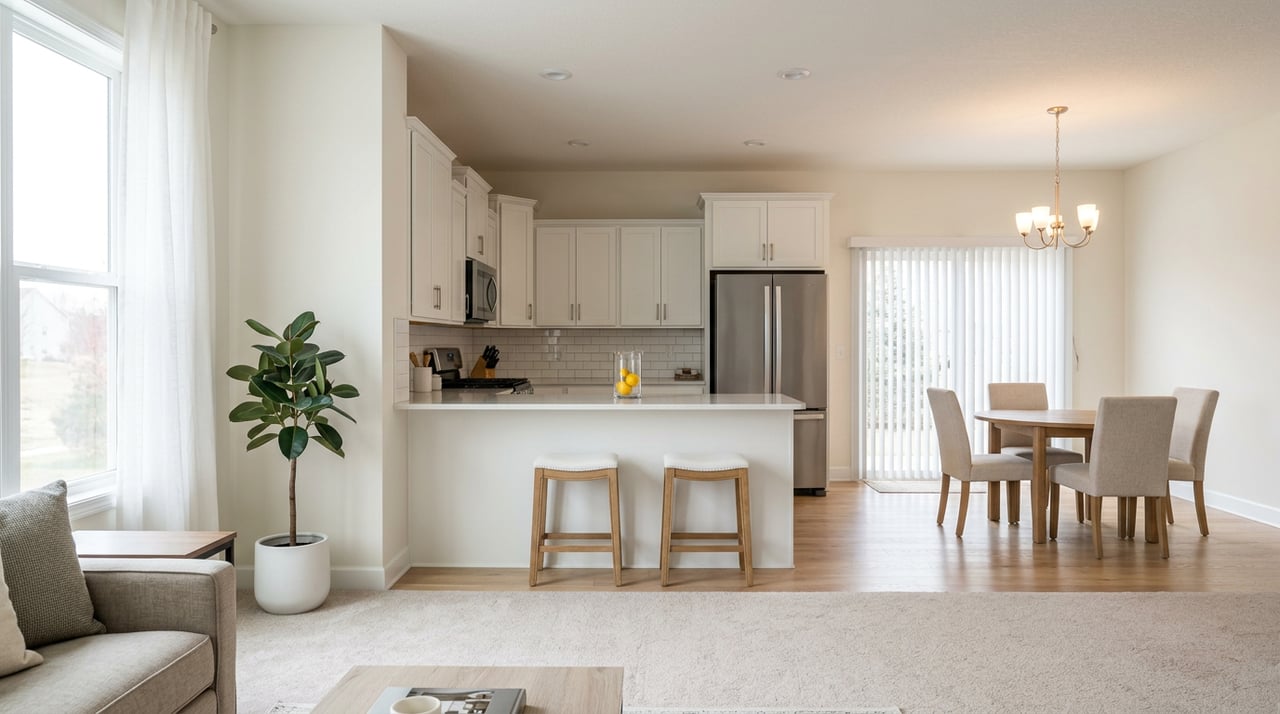
Staging does not have to mean fully redesigning your home. Often, it means making the space feel open, clean, and functional so buyers can picture how they might use it. According to the NAR 2025 staging snapshot, 83% of buyers’ agents said staging made it easier for buyers to visualize a property as their future home.
The most commonly staged rooms were the living room, primary bedroom, and dining room. If you want to be strategic, those are often the best places to focus first. For many Eagan sellers, a few targeted changes can make a stronger impact than a long list of expensive updates.
Market the home for how buyers shop
Today’s buyers start online, and your listing needs to look strong from the very first click. The National Association of Realtors reports that all buyers used the internet in their home search, 43% started online, and 83% of internet users rated photos as very useful. That makes photography one of the most important parts of your launch.
A strong listing presentation usually includes professional photography, accurate property details, and, when appropriate, video walkthroughs or floor plans. This is especially important in a market like Eagan, where buyers may decide within moments whether your home makes their shortlist. First impressions happen on a screen long before a showing is booked.
For sellers who want a polished, high-touch experience, this is where preparation and marketing work together. Great images attract attention, but they work best when the home is also well priced, clean, and easy to tour.
Be ready for showings and quick decisions
Once your home is live, the pace can pick up fast. With local market timelines often falling between a few weeks and just over a month depending on the source, you should be ready to accommodate showings early. A strong first week can shape the entire listing trajectory.
That means keeping the home show-ready, staying flexible with scheduling, and responding quickly when interest comes in. In some cases, sellers may receive multiple offers or see buyers waive contingencies. In others, you may need to evaluate one solid offer and decide whether to negotiate, accept, or wait.
Evaluate offers beyond price
The highest offer is not always the best offer. Price matters, of course, but so do financing strength, contingencies, closing timeline, and the buyer’s overall ability to perform. A clean offer with fewer risks can sometimes put you in a better position than a higher number with more uncertainty.
Before offers arrive, it helps to decide what matters most to you. Are you willing to make repairs? Would you prefer a later closing date? Are you open to credits if inspection issues come up? Having those answers in place can make negotiations feel calmer and more intentional.
Watch for common contract issues
The Minnesota Attorney General’s home seller guidance notes that low appraisals, buyer loan problems, and inspection issues can delay or complicate a closing. These are common sticking points, even in active markets. A good plan is to think through your negotiation boundaries before you are in the middle of a deadline.
For example, if an inspection identifies concerns, the next step is not always doing every repair. Sometimes the solution is a credit, a price adjustment, or a negotiated fix. The right choice depends on your timeline, the condition of the home, and the strength of the buyer.
Understand Minnesota disclosure rules
Before signing an agreement to sell residential property, Minnesota law requires sellers to provide a written disclosure of all material facts known to them. The disclosure must be made in good faith and based on the seller’s best knowledge. This is a core part of the transaction, not a minor formality.
If your home was built before 1978, federal law also requires disclosure of known lead-based paint hazards, delivery of the EPA lead pamphlet, and time for the buyer to conduct a lead inspection. You can review the state requirements in Minnesota Statute 513.55. Completing disclosures carefully and early can help reduce stress later in the process.
Plan for closing costs and timing
Many sellers focus on the sale price but forget to plan for the final numbers at closing. The Minnesota Attorney General notes that typical seller closing costs may include real estate commissions, title or abstract charges, recording fees, taxes and assessments, deed tax, and closing-agent fees. Reviewing estimated net proceeds ahead of time can help you make better decisions during negotiation.
Minnesota’s deed tax is set by the Minnesota Department of Revenue at 0.0033 of the net consideration paid for the property. Because Eagan is in Dakota County, the additional environmental response fund tax that applies in Hennepin and Ramsey counties does not apply here.
Know the closing timeline
Closing does not usually happen immediately after you accept an offer. The Attorney General recommends allowing at least six weeks from purchase agreement to closing, and closings are often scheduled near the end of the month. During that time, the buyer may complete financing, inspection steps, title work, and final underwriting.
As the seller, you will generally sign and deliver the deed and review the settlement statement or closing disclosure. It is worth reviewing those documents carefully for errors before signing. Small mistakes can create unnecessary delays right at the finish line.
What a smooth sale really looks like
A smooth sale is usually the result of many small smart choices. It starts with a realistic price, strong presentation, and a plan for disclosures, showings, negotiation, and closing. In a market like Eagan, that combination can help you move with confidence instead of reacting under pressure.
If you want a sale that feels organized from day one, expert guidance matters. The right support can help you prepare your home, market it professionally, manage timelines, and navigate contract details without losing sight of your bigger goals. When you are ready to map out your next move, connect with Deb Grimme for a personalized plan and a high-touch approach built around your timeline.
FAQs
How long does it take to sell a home in Eagan?
- Local market data suggests many homes go under contract within a few weeks, but the contract-to-close period often still takes about six weeks or more.
What should Eagan sellers do before listing a home?
- Most sellers should focus on pricing strategy, decluttering, touch-ups, professional photos, staging where helpful, and checking permit or property records through the City of Eagan.
Do Minnesota home sellers need to complete disclosures?
- Yes. Minnesota requires a written disclosure of all material facts known to the seller before signing an agreement to sell residential real property.
Are professional photos important when selling an Eagan home?
- Yes. NAR data shows buyers rely heavily on online search and listing photos, making professional images one of the most important marketing tools.
What closing costs should Eagan home sellers expect?
- Common seller costs can include commissions, title-related charges, recording fees, taxes and assessments, deed tax, and closing-agent fees.